


I’ve spent years watching young people discover the incredible power of entrepreneurship, and I can tell you that learning how to make money as a kid is one of the best skills they can develop early on. It’s not just about earning cash – it’s about building confidence, learning responsibility, and understanding the value of hard work. In this guide, I’ll share practical strategies that have worked for countless kids, from school-age children to teenagers looking to build real income streams.
Starting with easy ways to earn money
When kids are just beginning to explore how to make money as a kid, starting simple is key. The easiest money-making opportunities require minimal startup costs and can be started immediately with resources they already have at home.
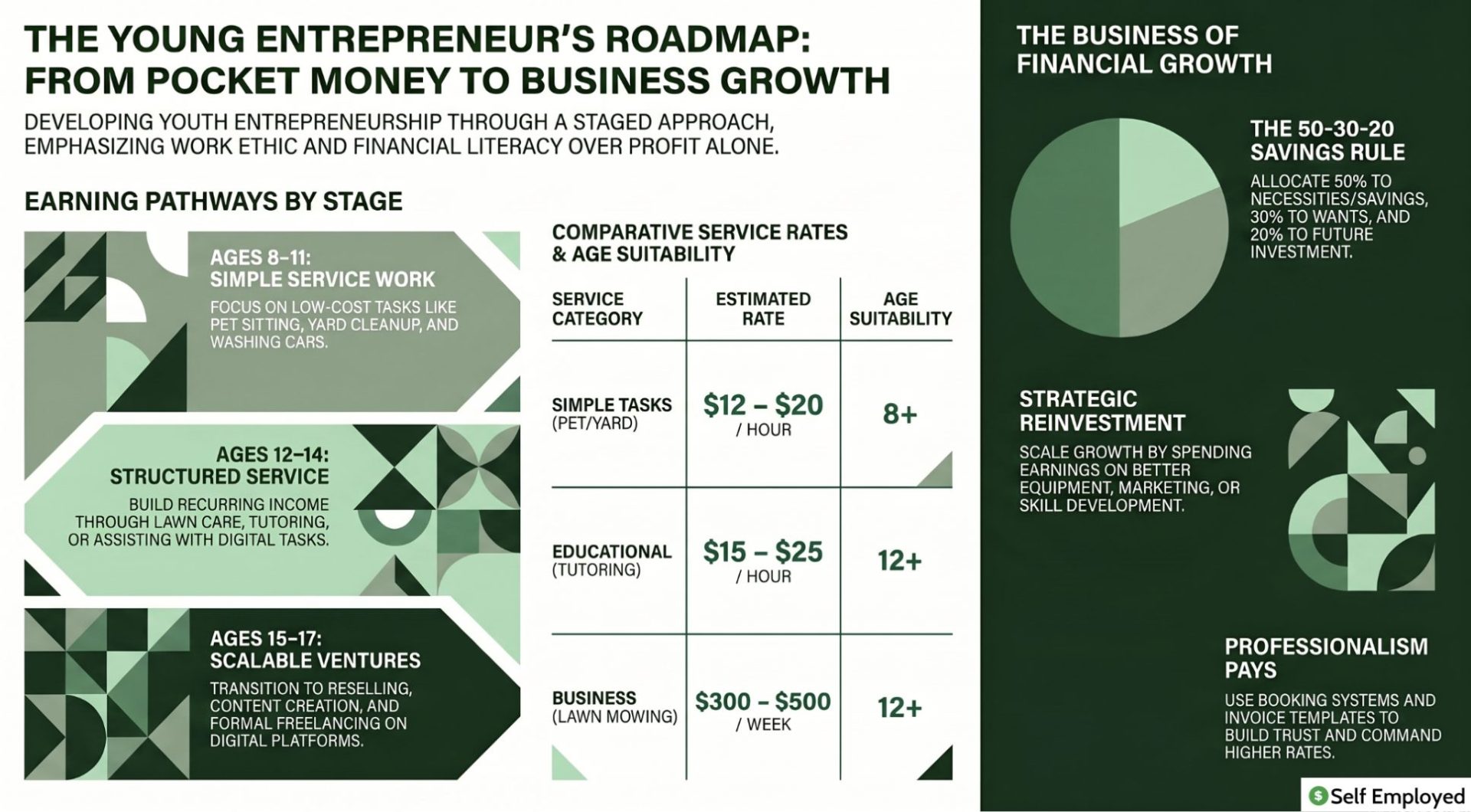
Babysitting and pet sitting remain two of the most reliable income sources for kids. I’ve seen young people charge $12-18 per hour for babysitting in most neighborhoods, and pet sitting can be equally profitable. The beauty of these services is that they build trust with local families – something that leads to repeat business and referrals. Your child might start by offering services to neighbors they already know, building a portfolio of satisfied customers.
Yard work and yard maintenance is another excellent entry point. Raking leaves, weeding gardens, washing cars, and general yard cleanup are services that adults are often willing to pay for. Kids can charge $20-40 per job depending on complexity and location. I recommend suggesting that your child start with homes near theirs where they can build relationships and get regular work.
Digital skills are increasingly valuable too. If your child is tech-savvy, they might offer to help older neighbors with basic computer tasks – organizing photos, setting up email, or learning to use social media. This bridges a real gap in many communities and can command decent rates.
Building sustainable income through service businesses
Once your child has gained confidence from simple tasks, they’re ready to build a more structured service business. This is where how to make money as a kid transitions from pocket money into real entrepreneurship.
A lawn care business is a natural progression from casual yard work. If your child is old enough (typically 12 and up), they can invest in basic equipment like a push mower and trimmer, then offer weekly lawn mowing services to neighbors. I’ve worked with young entrepreneurs who built solid businesses earning $300-500 per week during mowing season by managing just 5-10 clients.
Tutoring younger students in subjects they excel in is an excellent income source that also builds leadership skills. Kids can charge $15-25 per hour to help younger classmates with math, reading, writing, or test prep. This works particularly well if your child has a strong academic record and can demonstrate expertise.
For kids interested in creative services, design work, social media content creation, or basic web design are growing opportunities. Platforms now exist where young people can offer services like graphic design, custom merchandise creation, or social media management for small businesses. These digital skills often command higher rates than physical labor.
Check out our guide on self-employment ideas for more detailed business concepts that older kids and teens can adapt to their situation.
Exploring online and digital money-making opportunities
The internet has created entirely new ways for kids to learn how to make money as a kid without leaving home. These opportunities are particularly valuable for those with mobility limitations or who live in areas with fewer service-based opportunities.
Content creation through YouTube, TikTok, or blogging can generate income once channels reach certain thresholds. While building an audience takes time, I’ve seen young creators succeed by focusing on niches they’re passionate about – gaming tips, educational content, DIY tutorials, or entertainment. Monetization typically starts once they meet platform requirements, though sponsorships can come earlier.
Selling digital products like digital art, templates, presets, or educational guides on platforms like Etsy or Gumroad is another avenue. Kids with design skills can create and sell planners, coloring pages, or social media templates to a global audience.
Freelancing platforms designed for younger users or general platforms like Fiverr allow kids to offer services like writing, editing, voice-over work, graphic design, or basic coding. Payment rates vary, but this introduces young people to the concept of digital entrepreneurship.
For kids interested in traditional business, reselling items they find thrifting or through wholesale suppliers on platforms like eBay or Poshmark can be profitable. The key is understanding market value and finding underpriced items to resell at a profit.
Practical tips for success in kid-focused earning
I’ve learned that knowing how to make money as a kid is only half the battle – execution and consistency matter most. Here are strategies that consistently lead to success:
Start with what they already know and enjoy. A child who loves animals will naturally excel at pet sitting and dog walking. A tech-savvy kid will thrive with digital services. Matching opportunity to interest creates intrinsic motivation and better results.
Set clear pricing and boundaries. Help your child research what others in their area charge for similar services. Pricing too low undervalues their work, while pricing too high may limit customers. I recommend checking what local competitors charge and setting rates accordingly.
Build systems and processes. Whether it’s a booking system for babysitting or a simple invoice template for service work, systems make businesses more professional and easier to scale.
Track income and expenses. Even young entrepreneurs should understand basic bookkeeping. Our bookkeeping guide has principles that apply even at a smaller scale. Knowing actual profit – not just revenue – teaches essential business thinking.
Reinvest strategically. Encourage your child to reinvest some earnings back into their business – better equipment, marketing, or skill development. This creates growth and shows them how businesses scale.
Market their services. Word-of-mouth is powerful, but kids can also create simple flyers, post on neighborhood apps like Nextdoor, or ask parents to share their services with friends. Social media, when age-appropriate, is another valuable marketing channel.
Manage taxes responsibly. Once a child starts earning meaningful income, understand your local tax obligations. Some income may require filing, and keeping records makes this straightforward. Resources like IRS.gov have information on minor earnings and tax responsibilities.
Teaching financial responsibility alongside earning
Learning how to make money as a kid matters most when paired with lessons about managing that money wisely. I always tell parents that the full education includes earning, saving, and spending intentionally.
Have your child set savings goals. Whether it’s saving for a specific purchase, building an emergency fund, or creating a long-term investment, clear goals make money more meaningful. I recommend the 50-30-20 split where 50 percent goes to necessities, 30 percent to wants, and 20 percent to savings.
Introduce basic investing concepts. Older kids might open a custodial brokerage account or learn about index funds. Starting early with even small amounts creates decades of compound growth. Many investment platforms now offer educational resources specifically for young people.
Discuss the difference between spending and investing in yourself. A young entrepreneur might spend on a gaming console, but investing in better equipment for their service business has better long-term returns.
Help them understand value. When kids earn their own money, they make different purchasing decisions than when spending parental money. This real-world lesson about value and trade-offs is invaluable.
For more comprehensive strategies on building self-employment income at any age, explore our guide to high-ticket income opportunities, which includes scalable ideas as earning capacity grows.
Age-appropriate money-making by stage
Not all opportunities suit all ages. Here’s how to match options to developmental stages and capabilities.
Ages 8-11: Simple service work like pet sitting, yard cleanup, car washing, and babysitting younger kids (with supervision) are appropriate. Allowance chores, selling crafts or baked goods, or doing odd jobs for family is also good at this stage. Focus is on learning responsibility and the basics of earning.
Ages 12-14: More complex service businesses like regular lawn mowing, tutoring, and digital services become possible. Some kids might start simple freelancing or content creation. They can handle more complex customer interactions and take on regular clients.
Ages 15-17: Teenagers can pursue serious part-time businesses, formal employment (depending on local laws), reselling, freelancing, content creation with monetization, and entrepreneurial ventures. This is the age when how to make money as a kid can transition into actual small business operations with legitimate scale.
Always check your local child labor laws to ensure any opportunity is legal and appropriate. Requirements vary by state and by type of work.
Overcoming common challenges
As kids pursue money-making opportunities, challenges often arise. I’ve seen young people handle these situations successfully with the right guidance.
Low initial response or slow client building: It takes time to build a customer base. Encourage your child to start with people they know, ask for referrals, and use simple marketing. Consistency matters more than explosive growth.
Seasonal income fluctuations: Lawn care explodes in summer but dies in winter. Help your child develop off-season income sources or practice saving during high-earning seasons to smooth cash flow.
Managing multiple clients and scheduling: Simple tools like Google Calendar or basic booking systems help tremendously. As complexity grows, so should their systems and processes.
Dealing with difficult customers: This is a real-world lesson in professionalism and communication. Role-play difficult scenarios and discuss how to handle them professionally.
Burnout and work-life balance: Even kids need balance. Discuss reasonable work hours, time off, and making sure earnings don’t come at the expense of school or social life.
Building confidence and work ethic
Beyond the money itself, learning how to make money as a kid builds character traits that last a lifetime. I’ve watched young people grow tremendously through this journey.
Earning their own money gives kids ownership over their decisions and consequences. They learn that choices have real financial impacts. They develop problem-solving skills when clients cancel or challenges arise. They build resilience when their first service offering doesn’t generate immediate business.
Perhaps most importantly, kids learn that effort directly correlates to results. In our age of participation trophies, actual entrepreneurship provides real feedback. Better service equals more clients. Consistent work yields steady income. Higher quality commands higher prices.
These lessons about personal responsibility, problem-solving, and the connection between effort and reward are worth far more than the money earned itself.
Next steps for your young entrepreneur
If your child is interested in learning how to make money as a kid, start by having them identify what they enjoy and what skills they already have. Match that to an appropriate opportunity from those I’ve outlined. Help them set a clear goal – is it earning spending money, saving for something specific, or building actual business experience?
From there, the principles are simple: deliver quality service, treat customers professionally, reinvest some earnings, and always keep learning. The money will follow, but more importantly, your child will develop capabilities that serve them throughout their life.
Can a 10-year-old really make money?
Absolutely. A 10-year-old can offer simple services like pet sitting, yard cleanup, car washing, or helping neighbors with basic tasks. The key is starting with low-barrier, service-based work that doesn’t require significant startup costs or special credentials. Even modest earnings – $20-50 per week – teach valuable lessons about money and work.
What’s the best way to help my child get their first customer?
Start with people you know – family friends, neighbors, relatives. Ask them directly if they need the service your child offers. Personal connections convert much better than strangers seeing flyers. Once your child completes that first job well, ask for referrals. Word-of-mouth from satisfied customers is the most effective marketing for kid-run service businesses.
How much should kids charge for services?
Research local market rates for similar services. Generally, kids charge less than professionals but more than free. For example, pet sitting might be $12-20 per visit depending on location and what’s included. Yard work might be $20-40 per job. Tutoring might be $15-25 per hour. Never undervalue services significantly – it trains customers to expect low prices and limits earning potential.
Is social media appropriate for kids to earn money?
It depends on age and platform. Younger kids (under 13) shouldn’t create personal social media accounts per most platforms’ terms of service. However, older teens can create content on appropriate platforms. Always involve parents in content decisions, prioritize safety and privacy, and understand platform requirements for monetization before investing time building an audience.
What if my child wants to quit after earning a little money?
This is normal and okay. Some kids discover entrepreneurship isn’t for them – and that’s a valuable lesson too. However, if they’ve made commitments to customers, discuss seeing those through. Use it as a teaching moment about responsibility and reliability. The goal isn’t to force your child into business, but to expose them to opportunities and let them choose.
How do I handle taxes if my child earns significant income?
If your child earns above certain thresholds, you may need to file a tax return or pay self-employment taxes. The IRS has specific rules for minor earnings. Keep detailed records of income and any business expenses. Consult a tax professional if earnings are substantial – it’s a worthwhile investment that also teaches your child about business realities.
What should my child do with the money they earn?
Ideally, some goes to savings, some to personal goals or wants, and some might be reinvested in the business. I recommend the 50-30-20 split: 50 percent for necessities/savings, 30 percent for goals or wants, and 20 percent for future investment. Discuss these categories with your child and let them make intentional choices about their earnings.


